
"distilled water coffee"
600 article(s) found

Water with high mineral content is not suitable for making coffee.
Water with too much mineral content is not suitable for making coffee, but distilled water with no minerals at all, although it is the purest, sanitary and safe, always feels empty and boring to drink. If distilled water is used to make coffee, there is something missing in taste. When I was eating in a large-scale western restaurant, I drank a glass of musty water. I don't know if the cup didn't wash clean, or how.

Coffee siphon, distillation
It is arranged up and down by two spherical glasses and is widely used in families, hotels and coffee shops. It is the greatest charm to enjoy coffee while watching the brewing process. Practice: coffee for two (and so on for three) pour boiled water 240CC into a spherical beaker, wipe the water droplets on the outside and heat them with an alcohol lamp. At the bottom of a funnel-shaped extraction cup

Good water, good coffee. Water with too much mineral content is not suitable for making coffee.
Water with too much mineral content is not suitable for making coffee, but distilled water completely free of minerals, although the purest, sanitary and safe, always feels empty and boring when drinking. If distilled water is used to make coffee, it will taste something less. I once drank a cup of musty water when I dined in a large-scale western restaurant. I don't know if the cup was not washed clean or how.

Good water, good coffee. What kind of water do you want to make a cup of coffee?
Water with too much mineral content is not suitable for making coffee, but distilled water with no minerals at all, although it is the purest, sanitary and safe, always feels empty and boring to drink. If distilled water is used to make coffee, there is something missing in taste. When I was eating in a large-scale western restaurant, I drank a glass of musty water. I don't know if the cup didn't wash clean, or how.

Coffee siphon and distilled coffee for two
It is arranged up and down by two spherical glasses and is widely used in families, hotels and coffee shops. It is the greatest charm to enjoy coffee while watching the brewing process. Practice: coffee for two (and so on for three) pour boiled water 240CC into a spherical beaker, wipe the water droplets on the outside and heat them with an alcohol lamp. At the bottom of a funnel-shaped extraction cup
Techniques of brewing caffeine siphon and distillation
It is arranged up and down by two spherical glasses and is widely used in families, hotels and coffee shops. It is the greatest charm to enjoy coffee while watching the brewing process. Practice: coffee for two (and so on for three) pour boiled water 240CC into a spherical beaker, wipe the water droplets on the outside and heat them with an alcohol lamp. At the bottom of a funnel-shaped extraction cup
Fine coffee learns the "golden rule" of coffee
The difference in the quality of coffee can be realized with only a sip. So, how can we tell whether a cup of coffee is good or bad? Capacity: espresso is distilled from coffee powder with an optimum capacity of 25-30ml and served in a white porcelain cone cup. Too large a cup will speed up the cooling of the coffee. If the distillation volume is less, the concentration is higher; if the distillation volume is too much, the purity becomes lighter and the taste is more reliable.
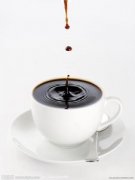
General knowledge of coffee siphon and distilled coffee
It is arranged up and down by two spherical glasses and is widely used in families, hotels and coffee shops. It is the greatest charm to enjoy coffee while watching the brewing process. Practice: coffee for two (and so on for three) pour boiled water 240CC into a spherical beaker, wipe the water droplets on the outside and heat them with an alcohol lamp. At the bottom of a funnel-shaped extraction cup

The origin of ice drop coffee the characteristics of ice drop coffee
The origin of ice drop coffee ice drop coffee originated in Europe, because the coffee distiller was invented by the Dutch, some people call it Dutch Coffee, espresso or water drop coffee. Ice drop coffee is extracted bit by bit for about 8 hours due to its compatibility with water, mainly by condensation and natural osmotic water pressure. The smell of coffee extracted by a coffee distiller

Basic knowledge of fine coffee Siphon (distillation) brewing method
It is composed of two spherical glasses arranged up and down, widely used in families, hotels, coffee shops, while enjoying the brewing process while enjoying the fun of coffee this is the greatest charm. Practice: two coffee (three and so on) will be boiled water 240CC poured into the spherical beaker, and the outside of the water droplets wiped clean, heated with alcohol lamp. At the bottom of the funnel shaped refining cup
Fine Coffee learn the "Golden Rule" of making Coffee
The difference in the quality of coffee can be realized with only a sip. So, how can we tell whether a cup of coffee is good or bad? Capacity: espresso is distilled from coffee powder with an optimum capacity of 25-30ml and served in a white porcelain cone cup. Too large a cup will speed up the cooling of the coffee. If the distillation volume is less, the concentration is higher; if the distillation volume is too much, the purity becomes lighter and the taste is more reliable.

The Golden Rule of Fine Coffee basic knowledge Coffee
The difference in the quality of coffee can be realized with only a sip. So, how can we tell whether a cup of coffee is good or bad? Capacity: espresso is distilled from coffee powder with an optimum capacity of 25-30ml and served in a white porcelain cone cup. Too large a cup will speed up the cooling of the coffee. If the distillation volume is less, the concentration is higher; if the distillation volume is too much, the purity becomes lighter and the taste is more reliable.
The "Golden Rule" of Fine Coffee for making Common Coffee
The difference in the quality of coffee can be realized with only a sip. So, how can we tell whether a cup of coffee is good or bad? Capacity: espresso is distilled from coffee powder with an optimum capacity of 25-30ml and served in a white porcelain cone cup. Too large a cup will speed up the cooling of the coffee. If the distillation volume is less, the concentration is higher; if the distillation volume is too much, the purity becomes lighter and the taste is more reliable.

The basic rules of coffee brewing the "golden rule" of coffee
The difference in the quality of coffee can be realized with only a sip. So, how can we tell whether a cup of coffee is good or bad? Capacity: espresso is distilled from coffee powder with an optimum capacity of 25-30ml and served in a white porcelain cone cup. Too large a cup will speed up the cooling of the coffee. If the distillation volume is less, the concentration is higher; if the distillation volume is too much, the purity becomes lighter and the taste is more reliable.
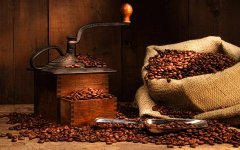
Basic knowledge of fine coffee the "golden rule" of brewing coffee
The difference in the quality of coffee can be realized with only a sip. So, how can we tell whether a cup of coffee is good or bad? Capacity: espresso is distilled from coffee powder with an optimum capacity of 25-30ml and served in a white porcelain cone cup. Too large a cup will speed up the cooling of the coffee. If the distillation volume is less, the concentration is higher; if the distillation volume is too much, the purity becomes lighter and the taste is more reliable.
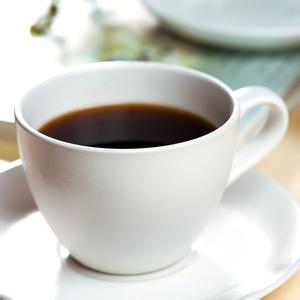
The extraction rule of making fine coffee the "golden rule" of coffee
The difference in the quality of coffee can be realized with only a sip. So, how can we tell whether a cup of coffee is good or bad? Capacity: espresso is distilled from coffee powder with an optimum capacity of 25-30ml and served in a white porcelain cone cup. Too large a cup will speed up the cooling of the coffee. If the distillation volume is less, the concentration is higher; if the distillation volume is too much, the purity becomes lighter and the taste is more reliable.

still brews coffee
A household distiller that takes only 2-3 hours to brew. Other brewing methods can not be done, neither turbid, but also clear special skills, no less than coffee specialty shop coffee, but can be enjoyed at home. Distiller for 25 people Espresso maker that uses water to brew coffee in 8 hours. Adjust the amount of coffee powder, water and extraction time to your taste

To brew coffee in other ways.
Stills A household stills that can be brewed in only 3 hours. Other brewing methods can not be achieved, not only not muddy, but also clear special skills, no less than coffee in a coffee shop, but can be enjoyed at home. Distiller for 25 people an espresso machine that brews coffee deliciously in 8 hours with water. Match the amount of coffee powder, water volume and extraction time to your own mouth.
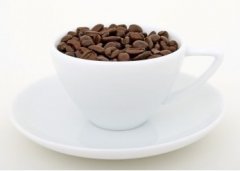
How can the "golden rule" of coffee tell whether a cup of coffee is good or bad?
The difference in the quality of coffee can be realized with only a sip. So, how can we tell whether a cup of coffee is good or bad? Capacity: espresso is distilled from coffee powder with an optimum capacity of 25-30ml and served in a white porcelain cone cup. Too large a cup will speed up the cooling of the coffee. If the distillation volume is less, the concentration is higher; if the distillation volume is too much, the purity becomes lighter and the taste is more reliable.